


Trip 1: July 4-11
Trip 2: July 11-18
Trip 3: July 18-25
Trip Leader: Maira
This July, MAR Hosted Trips spent three incredible weeks on the island of Taveuni, Fiji.
From July 4–25, we welcomed three back-to-back groups of around 15 divers each for a week of diving, culture, and island life.
Each group completed up to 17 boat dives, including two days diving the famous Great White Wall. But what made these trips memorable went well beyond the dive sites.
We explored one of the world’s most colourful reef systems, experienced the strong currents that make Taveuni diving so unique, drank kava together, visited a local village, and built friendships with the people who welcomed us to their island.
By the end of three weeks, Taveuni felt a little like home.
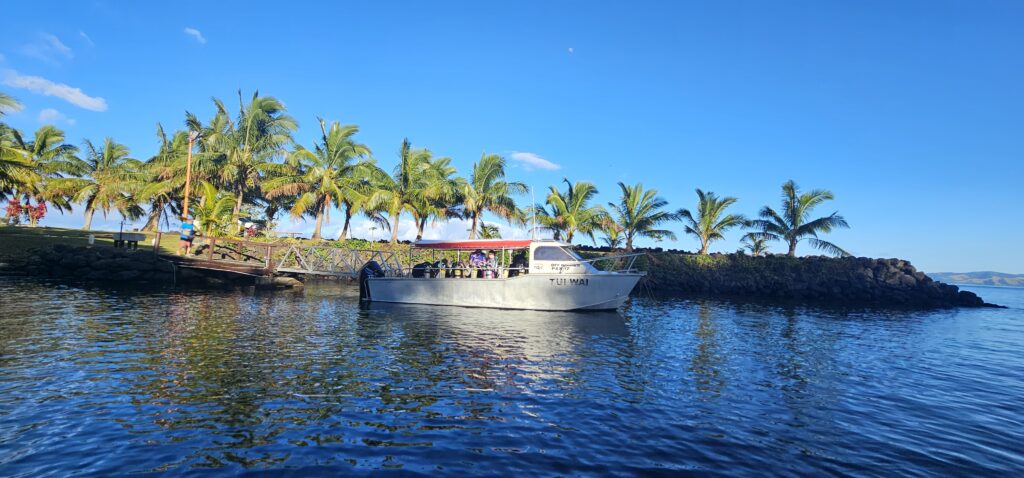
Why We Dive Taveuni
Taveuni is known as Fiji’s “Garden Island,” and it doesn’t take long to understand why. The island is covered in lush rainforest, tropical plants, waterfalls, and green mountains that tumble toward the sea.
Taveuni sits beside the Somosomo Strait, which separates the island from neighbouring Vanua Levu. Within the strait is Rainbow Reef, one of Fiji’s most famous diving areas.
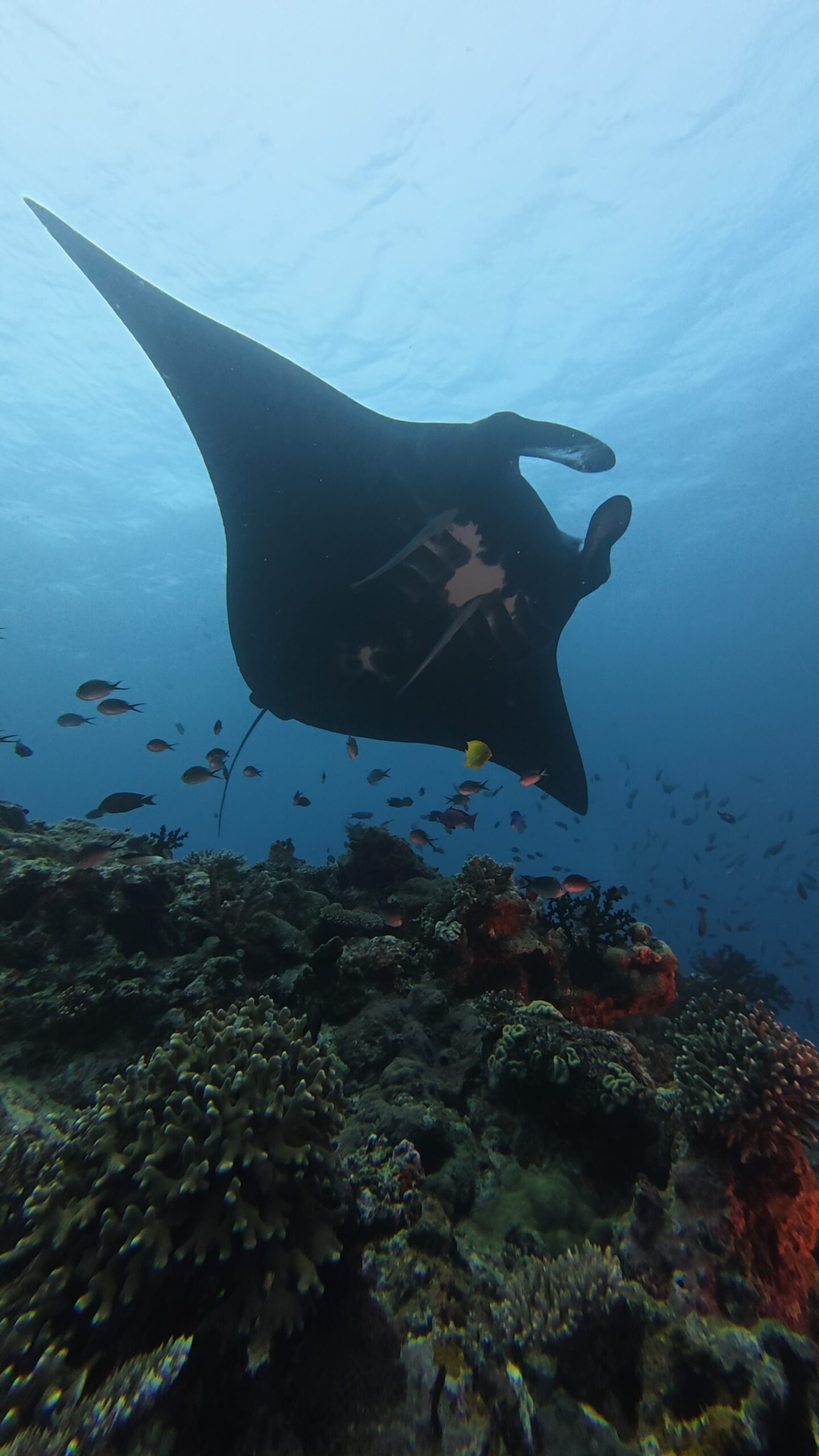
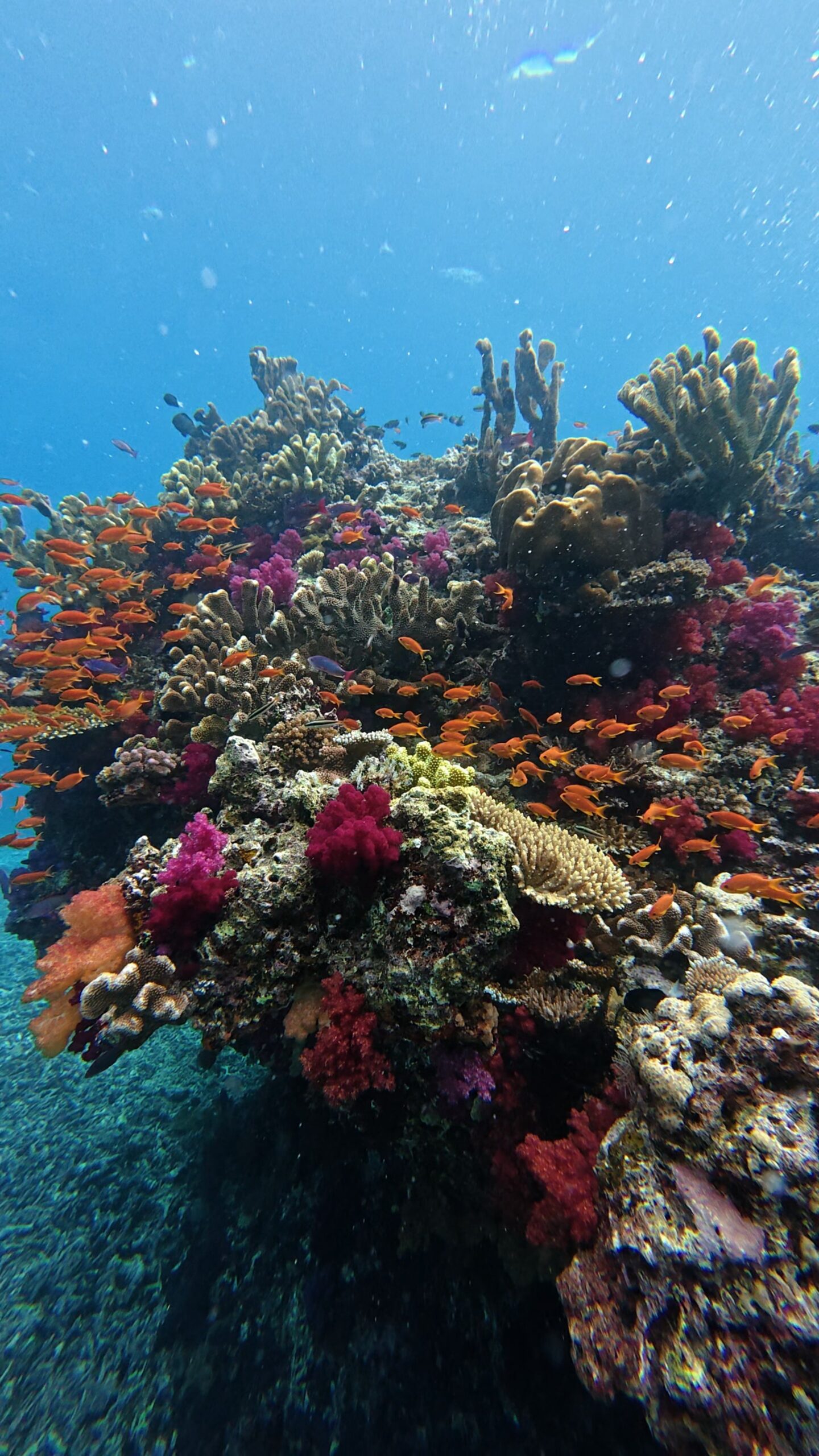
Divers in Taveuni can expect colourful soft coral walls, hard coral gardens, bommies, swim-throughs, and huge schools of reef fish. Sharks, rays and turtles can also make an appearance.
And then there’s the Great White Wall.
Diving the Great White Wall
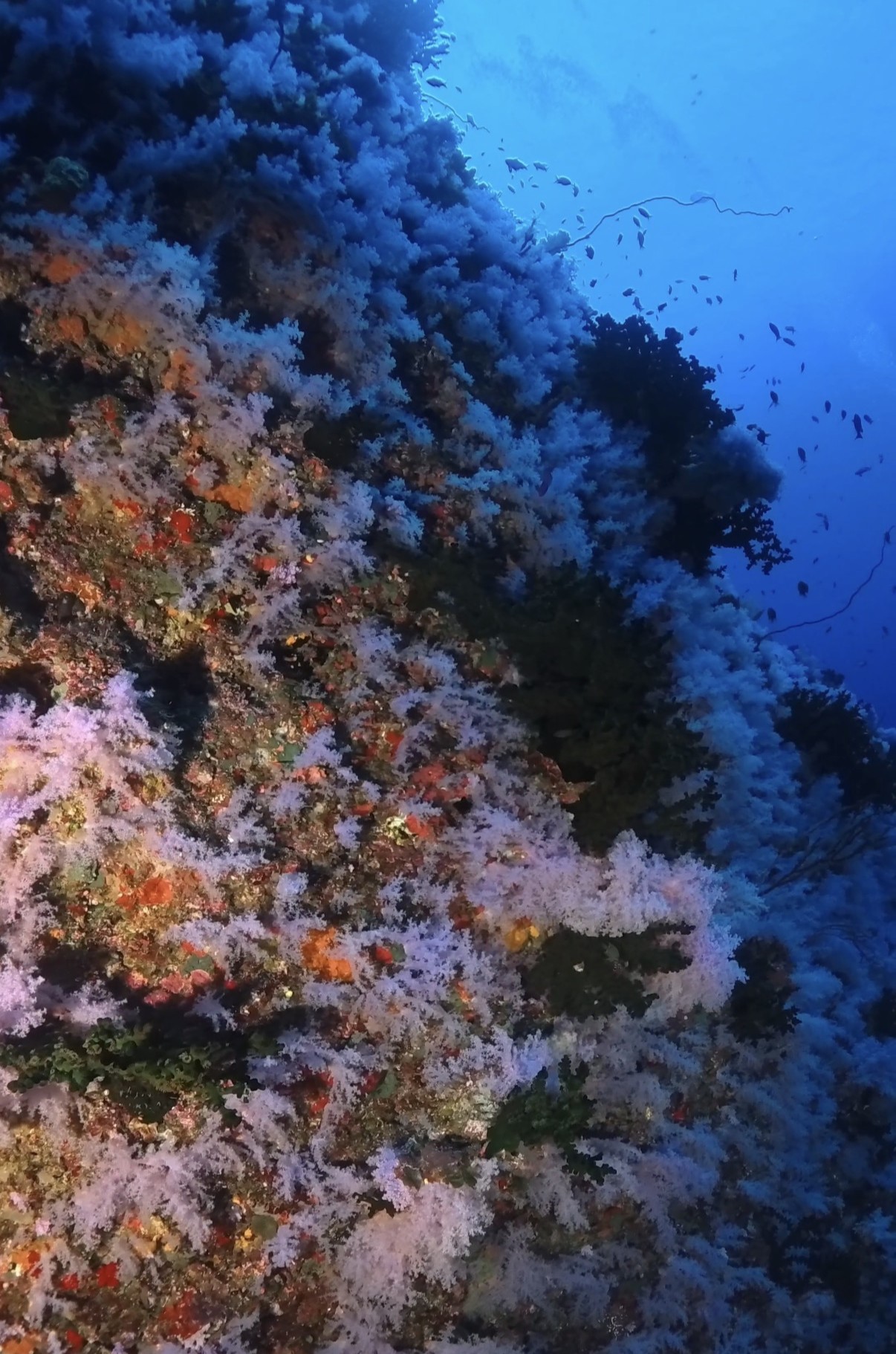
The Great White Wall is one of Taveuni’s most famous dive sites.
After descending through a swim-through, divers emerge alongside a wall covered in brilliant white soft corals. When the current is right and the corals are fully open, the effect is spectacular.
Each of our groups had two opportunities to dive the Great White Wall during their week.
But it wasn’t the only memorable reef we explored.
While diving with our local team, we explored a reef that they decided to name after the MAR Maids!
After years of travelling around the world together, having a little piece of Fiji connected to our community made these three weeks even more special.
We also have reefs in Roatan and Malaysia named after us!
Conditions in Fiji: What Is Diving Taveuni Like?
Dive Challenge Level: Medium
Dive Service Level: Concierge
Water Temperature: 78f
The magic of Fiji diving is in the Rainbow Reef. This narrow strait funnels nutrient-rich water through the reefs. Those currents feed an incredible ecosystem of hard and soft corals and support huge amounts of fish life.
Timing in Fiji is everything. The type of water funneling through the narrow strait is always changing and directly influences the behaviour of the reef.
Depending on the tide, time of year, moon phase, and when the moon rises, the reef will behave different. Those currents feed an incredible ecosystem of hard and soft corals and support huge amounts of fish life.
These changing currents through the Somosomo Strait can be strong and can change quickly with the tides. A site that is relatively calm at one time of day can be moving significantly faster a few hours later.
Soft corals feed on tiny particles carried in the water. When the current picks up, the corals open to feed, transforming the reef into walls of colour.
So, what does all this mean for the dives?
Because of the architecture of the reef, you have to descend quickly and swim against the current to reach the reef. This means negative entries and swimming hard at the beginning of the dive.
It’s so important to have multiple days of diving when in Fiji, especially when diving the Great White Wall. You want second chances on every dive site!
Most of the rainbow reef is unexplored. There are 20 reefs that are well-mapped and beautiful, and there is no need to explore more, as the average visitor will only have time to see those 20 sites.
The cooler season brings excellent visibility and beautiful diving conditions. However, mornings and windy boat rides can feel surprisingly chilly, especially after multiple dives.
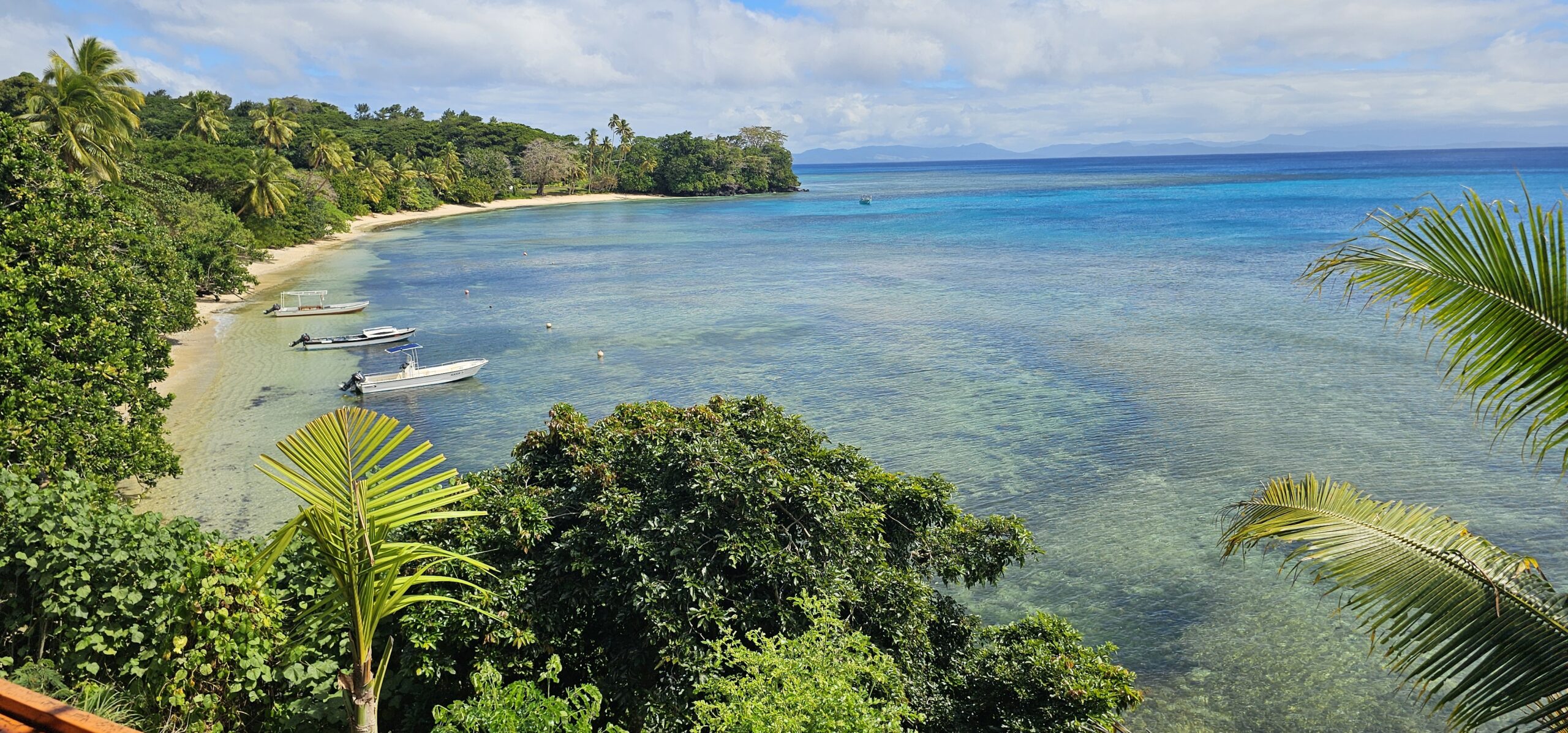
Fiji Weather in July
July falls within Fiji’s cooler, drier season.
It’s still tropical, but don’t assume that means you’ll be hot all week! It definitely felt like a tropical winter.
A boat coat, windbreaker, or warm dry layer is a must.
Fiji’s warmer season generally runs from November through April. These months tend to be hotter and more humid, with more rainfall and less predictable weather.
Beyond the Diving
The best part of being based on the islands is that we get to enhance our trip with local experiences.
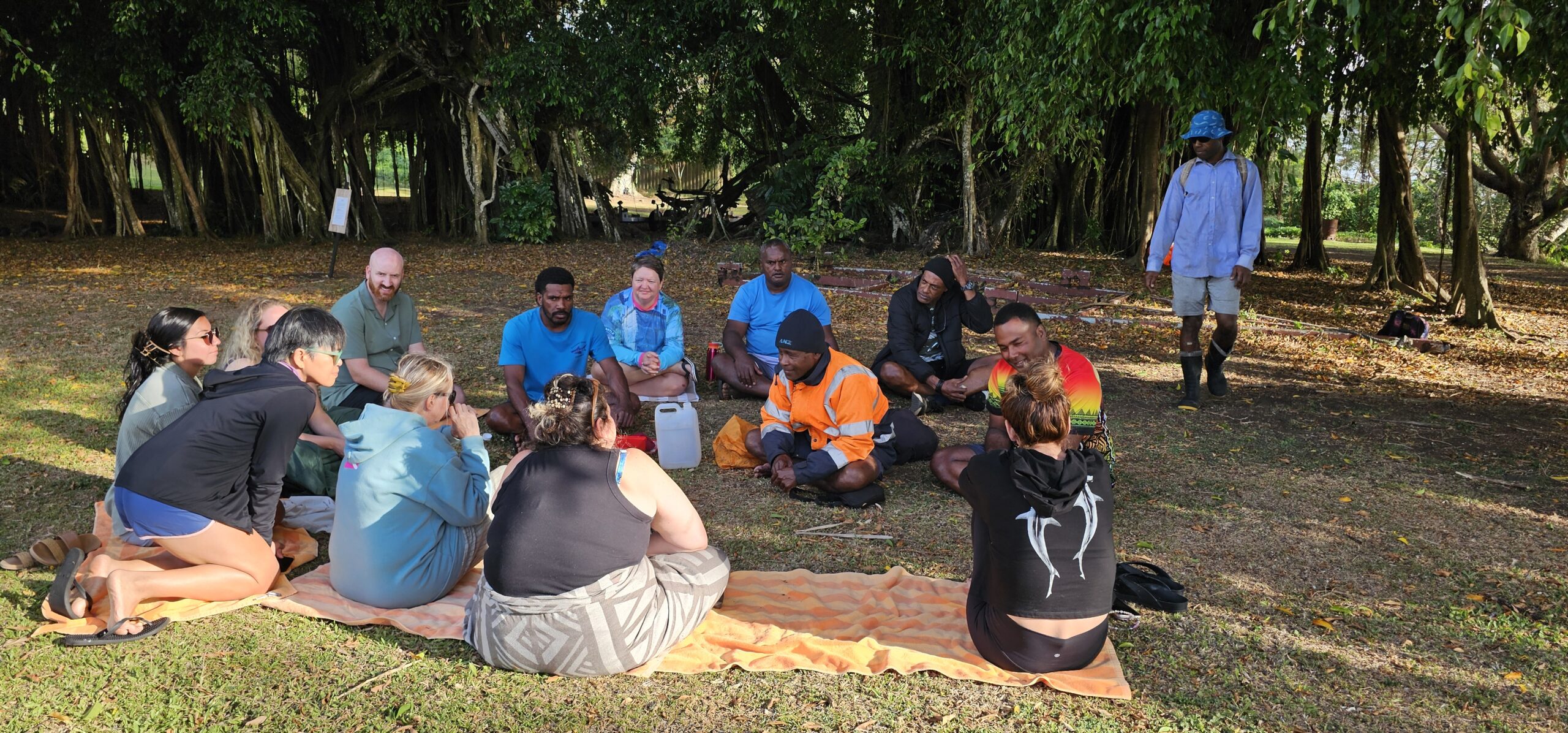
We had the opportunity to visit a local village, spend time with the people who live on the island, and participate in a traditional kava experience.
Kava is an important part of Fijian culture and is commonly shared during social gatherings and ceremonies. Sitting together, drinking kava, talking, and laughing gave our travelers the opportunity to connect with Taveuni beyond the resort and dive boat.
Between dive days, we adventured to waterfalls, rainforest, farms, villages, markets, and some of the natural areas that earned Taveuni its Garden Island nickname.
Creating time in our trips for these experiences is important. We want our travelers to experience the reefs, but we also want them to understand a little more about the destination and the people who call it home.
Whenever possible, MHT works with local guides, operators, and businesses. This gives our travelers a more authentic experience while helping keep tourism income within the communities we visit.
What We Learned in Fiji
Taveuni is a great example of why planning a dive trip involves much more than choosing a resort and booking some dives.
We learned so much while diving in Fiji. The weather was cooler than expected, the diving more sensitive, but also even more beautiful than we expected!
Fiji is properly local. Everything is run by the people who live there. There are no foreign dive instructors or foreign investors here.
Everyone is a proper islanders who know how to be there. Take you on a hike, cut down a coconut, or direct you to the best local meal. There is a strong sense of pride and community here.
There is no imported processed food in Taveuni. They eat only what’s on the island, organic and home grown.
We are excited to apply all our new knowledge to our trip in 2028!
How to Prepare for Diving in Fiji’s Rainbow Reef
Diving in Taveuni isn’t necessarily hard, but it’s best enjoyed when you’re comfortable and confident in moving water.
Divers should be comfortable maintaining buoyancy in moving water and following their guide closely.
MHT considers tidal patterns and moon phases when selecting our trip dates, while our local dive team makes the final decisions each day based on the actual conditions.
Before joining us, we recommend:
- Practice diving in current. You should be comfortable maintaining your position and buoyancy when the water is moving. Destinations like Cozumel, Cabo Pulmo, Panama, and Colombia are great training for this.
- Work on your buoyancy. Good buoyancy makes drift diving much easier and allows you to enjoy the reef instead of constantly making adjustments. Get your AOW or join a Scuba Retreat!
- Listen carefully to the dive briefing. Entry points, routes, current direction, and exit procedures can change from dive to dive.
- Stay close to your guide and buddy. Conditions can change quickly, so this isn’t the place to wander away from the group.
- Bring a DSMB and know how to use it. Every diver should be comfortable deploying their own surface marker.
- Pack something warm. A thicker wetsuit, boat coat, or windbreaker can make three-dive days much more comfortable in July.
You don’t need to be an expert diver to experience Fiji.
But having solid foundational skills means you’ll spend less time thinking about the current and more time looking around at one of the most colourful reefs you’ve ever seen.
Three Weeks We’ll Never Forget
After three groups, dozens of dives, countless soft corals, plenty of kava, and three weeks getting to know Taveuni, one thing stood out.
The reefs were incredible, but the people made the experience.
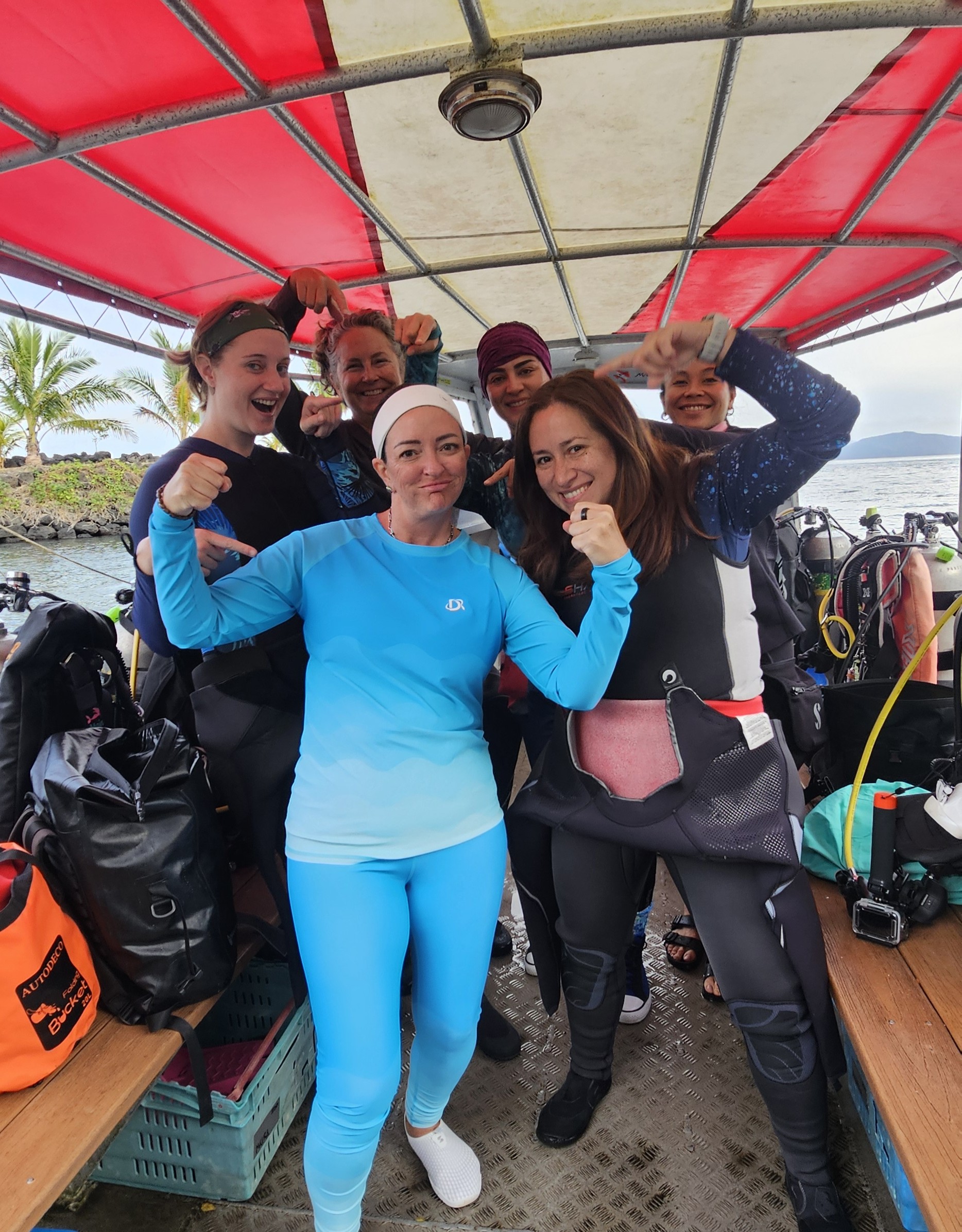
Our travelers arrived from different places and left with new dive buddies. Our local team became friends. And we even left with our own reef o the MAR Maids.
That’s what we hope for when we travel with MAR Hosted Trips. Not just another stamp in a passport or another dive in the logbook, but a genuine connection to the places we are lucky enough to visit.
And Taveuni gave us plenty of reasons to come back.
